Welcome to Flutebyte Technologies
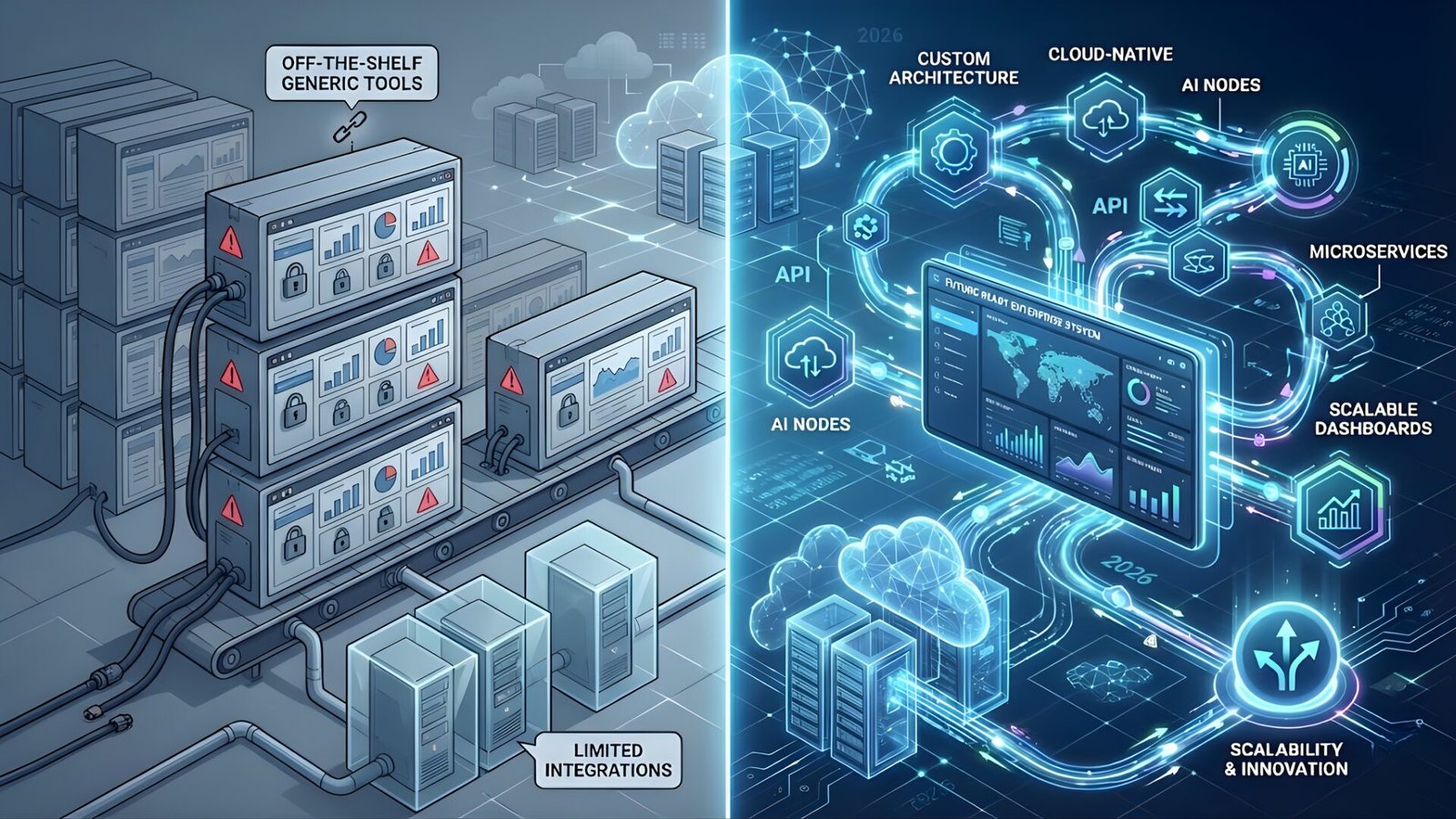
Most businesses don’t fail because of lack of tools. They fail because their tools don’t fit. In 2026, forward-thinking companies are abandoning off-the-shelf software and investing in custom-built solutions that scale, adapt, and outperform.
The software landscape has evolved rapidly, driven by advancements in technology and shifting market demands. Off-the-shelf tools, once seen as quick fixes for operational needs, now often fall short in a world where customization and integration are key to maintaining a competitive edge. Custom software development services have emerged as a strategic alternative, offering tailored solutions that align precisely with unique business processes. This shift is not just a trend but a necessity, as organizations seek scalable software development that grows with them, rather than constraining their potential.
According to recent market analyses, the global custom software development market is projected to grow significantly, reflecting the increasing preference for bespoke solutions over generic ones. Businesses across sectors are recognizing that custom software solutions for businesses provide the flexibility needed to handle complex workflows, integrate with existing systems, and support long-term objectives. In this blog, we examine the reasons behind this transition, highlighting the limitations of ready-made software and the clear benefits of investing in custom development.
Table of Contents
The Limitations of Off-the-Shelf Software
Off-the-shelf software has long been favored for its immediate availability and lower initial costs. However, as businesses mature, these tools reveal significant drawbacks that can hinder growth and efficiency.
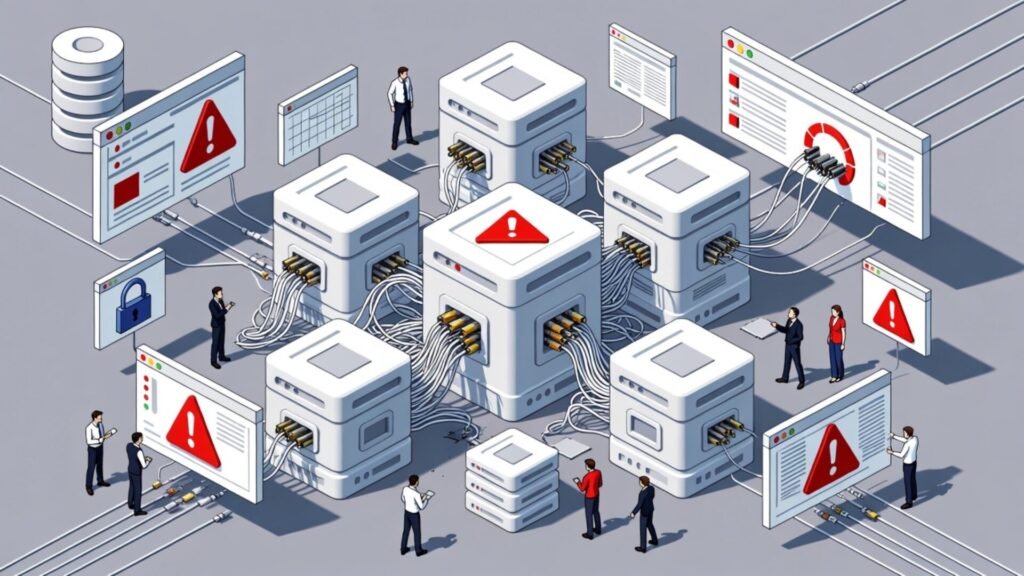
One primary issue is the lack of customization. These solutions are designed for a broad audience, incorporating generic features that may not address specific operational requirements. For instance, a standard CRM tool might include unnecessary modules while missing critical integrations for a niche industry, leading to inefficient workflows and manual workarounds. This misalignment often results in reduced productivity, as teams spend time adapting to the software rather than focusing on core activities.
Scalability is another major limitation. Off-the-shelf products are built with predefined capacities, which can become bottlenecks as companies expand. Adding users, features, or data volumes frequently requires upgrades or additional licenses, escalating costs unexpectedly. In 2026, with data volumes exploding due to AI and IoT integrations, these tools struggle to keep pace without substantial modifications. Security concerns also arise, as generic software is a common target for cyberattacks, and vendors may not prioritize updates tailored to individual business risks.
Integration challenges further compound these issues. Businesses often rely on multiple systems, and off-the-shelf tools may not seamlessly connect with legacy infrastructure or third-party applications. This fragmentation leads to data silos, errors in reporting, and delayed decision-making. Industry reports indicate that over 70% of digital transformation projects underperform due to poor software alignment, underscoring the pitfalls of relying on non-customized options.
In essence, while off-the-shelf software offers quick deployment, it often imposes rigid structures that do not evolve with business needs, making it less viable for long-term success in a dynamic environment.
Advantages of Custom Software Development
Custom software development provides a compelling alternative by addressing the shortcomings of off-the-shelf tools head-on. Through bespoke software development companies, organizations can create solutions that are precisely engineered for their operations.
A key advantage is tailored functionality. Custom software is built around specific workflows, ensuring every feature serves a purpose. This eliminates bloat and enhances user adoption, as employees interact with intuitive interfaces designed for their roles. For example, enterprise software development can incorporate unique compliance requirements or industry-specific analytics, delivering performance that generic tools cannot match.
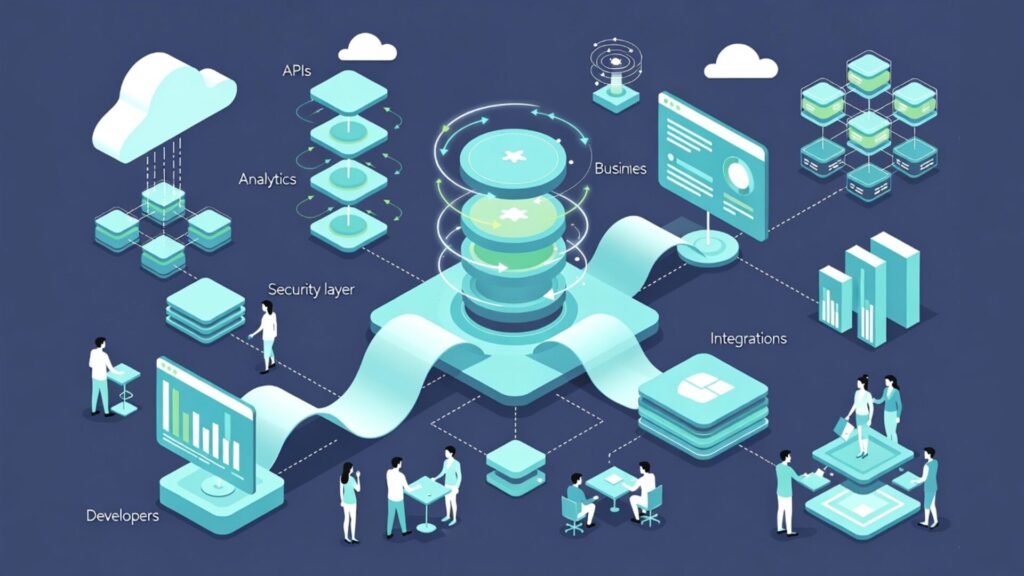
Scalability is inherent in custom solutions. Developers design architectures that accommodate growth, allowing seamless additions of modules or users without overhauls. This forward-thinking approach supports scalable software development, where systems adapt to increasing demands, such as handling larger datasets or integrating new technologies like AI. Businesses report up to 70% increased efficiency after switching to custom software, as it reduces manual interventions and streamlines processes.
Security is another strong suit. Custom development allows for implementation of robust, business-specific protocols, including advanced encryption and access controls. Unlike off-the-shelf products, which may have known vulnerabilities exploited across users, custom solutions minimize risks by focusing on unique threat profiles.
Integration capabilities shine in custom environments. These solutions connect effortlessly with existing ecosystems, ensuring data flows smoothly across platforms. This cohesion improves accuracy and enables real-time insights, crucial for decision-making in fast-paced markets.
Moreover, ownership of custom software grants full control over updates and modifications, avoiding vendor dependencies. This autonomy fosters innovation, as companies can iterate based on internal feedback. Overall, custom software development services empower businesses to operate more effectively, turning technology into a strategic asset rather than a constraint.
Key Trends Driving the Shift in 2026
In 2026, several technological trends are accelerating the move toward custom software development, making it essential for businesses to stay competitive.
AI integration is at the forefront. Custom solutions now routinely incorporate AI for predictive analytics, automation, and personalized experiences. Off-the-shelf tools often lack the depth for seamless AI embedding, whereas custom development allows for tailored algorithms that align with business data. Market projections show AI-first custom software as a dominant trend, enhancing decision-making and operational efficiency.
Cloud-native architectures are another driver. Custom software built for the cloud offers superior flexibility and cost management compared to rigid off-the-shelf options. With 95% of new digital workloads expected on cloud platforms, custom development ensures optimal performance and scalability in distributed environments.

Low-code and no-code platforms are democratizing development, but for complex needs, custom approaches remain superior. These trends enable faster prototyping, yet bespoke solutions provide the customization depth required for enterprise-level applications.
Cybersecurity advancements also favor custom software. With rising threats, custom development incorporates confidential computing and multi-agent systems for enhanced protection, areas where generic tools lag.
Edge computing and IoT integration demand adaptable software, which custom development excels at by processing data closer to sources for reduced latency. These trends collectively push businesses toward custom solutions, as off-the-shelf tools struggle to incorporate them without compromises.
The software development market’s growth, expected to reach over $1 trillion by 2026, underscores this shift, with custom segments expanding rapidly due to these innovations.
Cost-Benefit Analysis of Custom vs. Off-the-Shelf
Evaluating costs reveals why custom software often proves more economical over time, despite higher upfront investments.
Off-the-shelf tools appear affordable initially, with subscription models starting low. However, recurring fees, customization add-ons, and integration expenses accumulate. Hidden costs from inefficiencies, like training or downtime, further inflate totals. Studies show that total ownership costs for off-the-shelf can exceed custom within three to five years.
Custom software requires initial development outlays but eliminates ongoing licensing. It delivers ROI through efficiency gains, such as automating tasks that save hours weekly. For instance, tailored integrations reduce data entry errors, cutting operational costs by 20-30%.
To assess potential savings, tools like the ad spend calculator from Flutebyte can help model budget impacts in related areas, such as marketing software optimizations: Ad Spend Calculator
Long-term benefits include scalability without premium upgrades and ownership that avoids vendor price hikes. Businesses switching to custom report better value, with reduced maintenance and enhanced productivity justifying the investment.
Selecting the Right Software Development Partner
Choosing a reliable partner is crucial for successful custom software implementation. Look for a bespoke software development company with proven expertise in your industry.
Consider factors like portfolio diversity, technical proficiency, and client testimonials. A software development company in India often stands out for cost-effectiveness and skilled talent pools, offering high-quality enterprise software development at competitive rates.
Evaluate their approach to agile methodologies, ensuring iterative development that incorporates feedback. Post-launch support is vital for ongoing optimizations.
Partnering with experienced providers minimizes risks and maximizes outcomes, turning custom software into a growth engine.
Conclusion
The transition to custom software in 2026 reflects a broader recognition that tailored solutions outperform generic tools in scalability, efficiency, and innovation. By addressing specific needs, custom development positions businesses for sustained success.
For organizations ready to make this shift, Flutebyte Technologies provides comprehensive services in web development, software solutions, Shopify development, SaaS development, and IT services. Contact Flutebyte today to discuss how custom software can optimize your operations.
FAQs
- What distinguishes custom software development services from off-the-shelf options?
Custom software is built specifically for a business’s unique requirements, offering better integration and scalability compared to generic tools. - How do custom software solutions for businesses improve efficiency?
They streamline workflows by eliminating unnecessary features and automating processes, leading to faster operations and fewer errors. - Why choose a bespoke software development company in 2026?
Such companies provide tailored expertise, ensuring solutions incorporate the latest trends like AI and cloud computing for competitive advantages. - What makes scalable software development important for growing companies?
It allows systems to expand without major disruptions, supporting increased users, data, and features as the business evolves. - How does enterprise software development benefit large organizations?
It handles complex, high-volume operations with robust security and integrations, enhancing overall performance and compliance.